
Packaging Industry Trends 2026: Sustainable Leadership Strategy
The packaging industry in 2026 is undergoing a major transformation. Packaging is no longer just a protective layer for products. Instead, it has become a strategic tool that influences sustainability performance, consumer trust, digital transparency, and supply chain efficiency.
Today, companies are rethinking packaging as a long-term investment. As a result, decisions about materials, design, and technology will shape brand relevance and operational resilience for the next decade.
In this article, we explore the key packaging trends in 2026 and how businesses can adapt to remain competitive while meeting global sustainability regulations such as EPR.
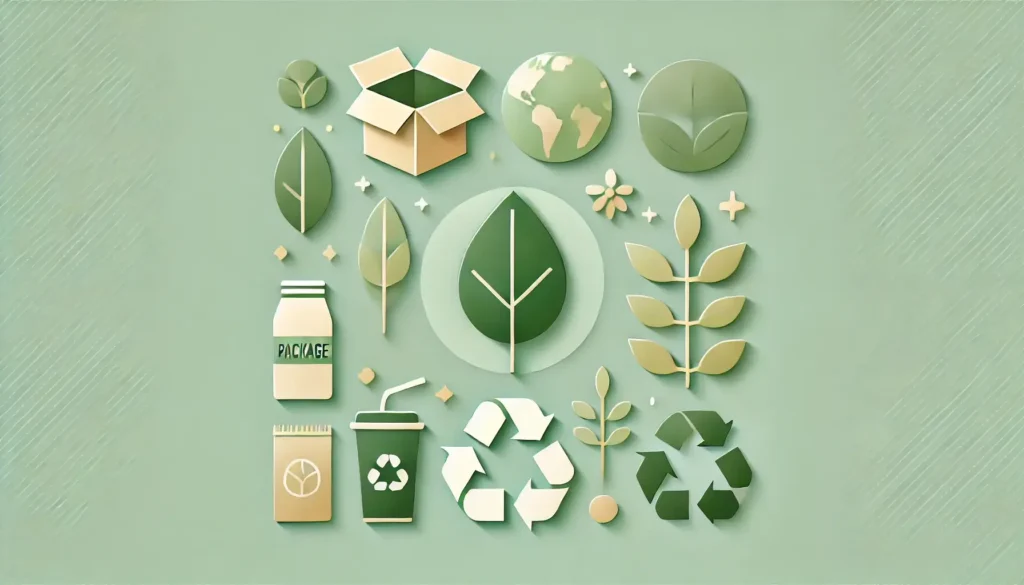
Today, companies are rethinking packaging as a long-term investment.
1. Sustainability: From Intentions to Measurable Impact
1.1 Data-Driven Sustainability Management
In 2026, sustainability is no longer about marketing claims. Instead, companies must demonstrate measurable results.
Brands are expected to track and report:
-
Carbon footprint per packaging unit
-
Percentage of Post-Consumer Recycled (PCR) content
-
Actual recyclability at industrial scale
-
Life Cycle Assessment (LCA) performance
As a result, data has become the foundation of sustainable packaging decisions.
Moreover, companies that rely on real metrics can optimize costs while improving compliance with environmental regulations.
1.2 Circular Packaging Design Becomes Mandatory
At the same time, circular design principles are no longer optional. They are becoming industry standards.
Key strategies include:
-
Prioritizing mono-material packaging structures
-
Eliminating unnecessary layers and components
-
Using inks, adhesives, and coatings compatible with recycling systems
Consequently, companies that adopt circular design early will gain both regulatory and competitive advantages.

Companies that adopt circular design early will gain both regulatory and competitive advantages.
2. Material Innovation is Redefining Packaging Choices
2.1 Bio-Based and Biodegradable Materials
Another major trend in 2026 is the rapid growth of bio-based materials.
Materials such as:
-
PLA
-
PHA
-
Seaweed-based materials
-
Agricultural waste-derived polymers
are entering mainstream packaging applications.
Meanwhile, advances in material science are improving:
-
Barrier performance
-
Machine compatibility
-
Production scalability
Therefore, bio-based packaging is becoming more practical for large-scale manufacturing.
2.2 The Rise of Paperization and the Return of Aluminum and Glass
Interestingly, the industry is also seeing two parallel trends.
Paperization
Instead of simply replacing plastic, modern paper packaging uses functional coatings that maintain recyclability while providing:
-
Moisture resistance
-
Oil resistance
-
Improved durability
Infinite Recycling Materials
At the same time, aluminum and glass are gaining strategic importance again. This is mainly because they offer:
-
High recycling rates
-
Strong regulatory compliance
-
Long-term material recovery value
As a result, many global brands are reconsidering these materials for sustainable packaging solutions.

Businesses can adapt to remain competitive while meeting global sustainability regulations such as EPR.
3. Smart and Connected Packaging Technologies
3.1 Large-Scale Implementation
Previously, smart packaging technologies were mainly experimental. However, in 2026, they are being deployed at scale.
Common technologies include:
-
QR Codes with GS1 Digital Link for traceability
-
NFC and RFID for authentication and anti-counterfeiting
-
Temperature and freshness sensors for food and pharmaceuticals
Consequently, packaging is becoming an important part of digital supply chain management.
3.2 Digital Product Passport (DPP)
One of the most significant innovations is the Digital Product Passport.
With a simple scan, users can access:
-
Material composition
-
Sustainability verification data
-
Recycling instructions based on location
Therefore, digital transparency is transforming how consumers interact with products and brands.
4. Purpose-Driven Minimalist Packaging Design
In 2026, minimalism is not just about aesthetics. Instead, it is a strategic approach to efficiency and sustainability.
Key design priorities include:
-
Lightweight packaging to reduce material use
-
Limited color palettes for easier recycling
-
Structural innovation for better logistics performance
-
Packaging that is easy to open and reseal
In addition, digital printing technology enables mass customization without increasing waste.
As a result, brands can achieve both efficiency and personalization at scale.
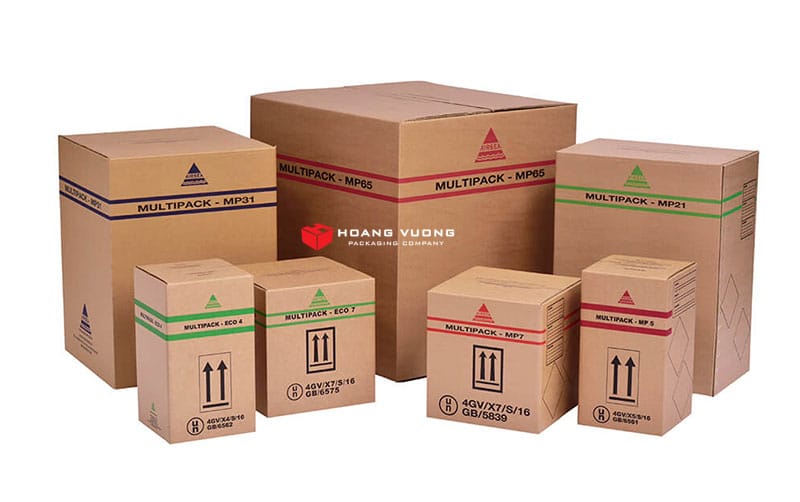
Brands can achieve both efficiency and personalization at scale.
5. Reuse and Refill Systems Are Expanding
Another important development is the growth of reuse and refill models.
These systems are expanding beyond beverage packaging into industries such as:
-
Personal care
-
Cosmetics
-
Household products
-
B2B industrial packaging
Meanwhile, Deposit-Return Systems (DRS) are evolving to include not only bottles but also household containers.
Consequently, these systems significantly improve material recovery rates and reduce waste.
6. Operational Efficiency and Supply Chain Optimization
In addition to sustainability, companies are focusing on operational performance.
One key metric is right-sizing packaging, which helps reduce:
-
Material consumption
-
Shipping costs
-
Transportation emissions
Furthermore, advanced technologies are transforming packaging development.
These include:
-
Artificial Intelligence (AI) for design optimization
-
Automated quality inspection systems
-
Digital Twins for packaging validation before production
Therefore, businesses can reduce risk while improving efficiency.
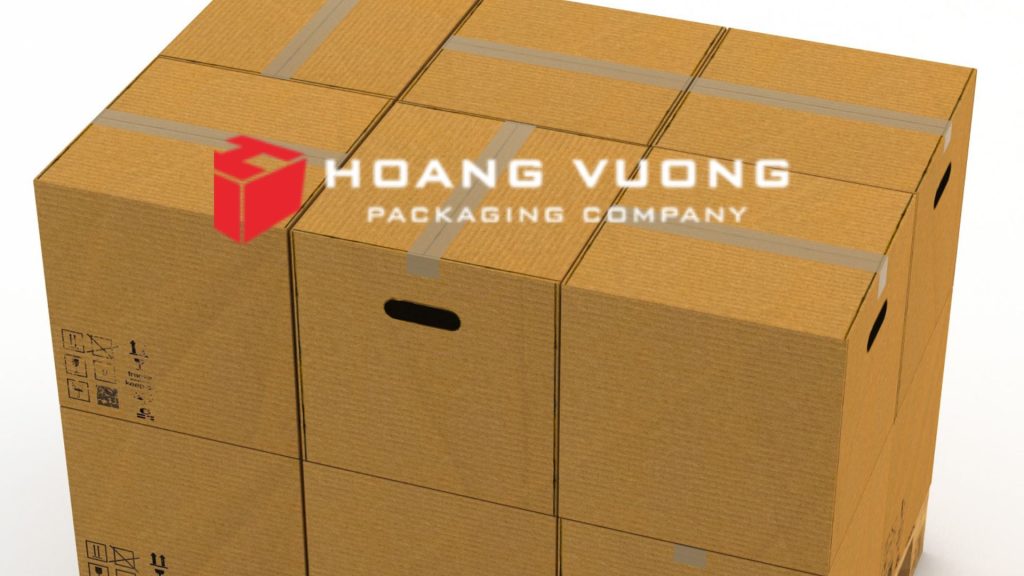
The future of packaging is not only about how products are packed. Instead, it is about how packaging is designed, distributed, and recovered in a sustainable ecosystem.
7. The Intersection of Luxury and Sustainability (Eco-Luxury)
Luxury packaging in 2026 is being redefined.
Instead of excess materials, modern premium packaging emphasizes:
-
High-quality recycled materials
-
Structural elegance
-
Transparent sustainability storytelling
As a result, eco-luxury packaging creates value through responsibility and innovation rather than over-packaging.
System Thinking in Packaging Leadership
Looking ahead, packaging leadership requires a system-level mindset.
Successful companies will:
-
Think beyond packaging itself and focus on the entire lifecycle
-
Collaborate across the value chain
-
Use real data instead of assumptions
-
Balance sustainability with operational efficiency
Ultimately, the future of packaging is not only about how products are packed. Instead, it is about how packaging is designed, distributed, and recovered in a sustainable ecosystem.
Operating under the motto of “Pioneering Quality,” Hoang Vuong consistently aims for sustainable and environmentally friendly packaging solutions. We proudly hold the following certifications: FSC Certification, GMI Certification, G7 Certification, ISO 9001:2015
With over 15 years of experience in the paper packaging industry and a solid brand reputation, Hoang Vuong is a leading private paper packaging enterprise in Vietnam, partnering with numerous major brands locally and internationally. We accompany your company on the journey of innovation, seeking differentiation through continuous improvement. Your success is both an achievement and motivation for us to continue innovating and maintaining professionalism.
- Address: 1717B TL10 Street, Tan Tao Ward, Binh Tan District, Ho Chi Minh City
- Mobile: 0908.863.965 (Mr. Le Hong Son)
- Phone: 028.62696129 – 028.22481926
- FAX: 08.62696032
- E-mail: havupackage@gmail.com
- Website: www.baobigiay.vn – www.hopcungcaocap.vn