
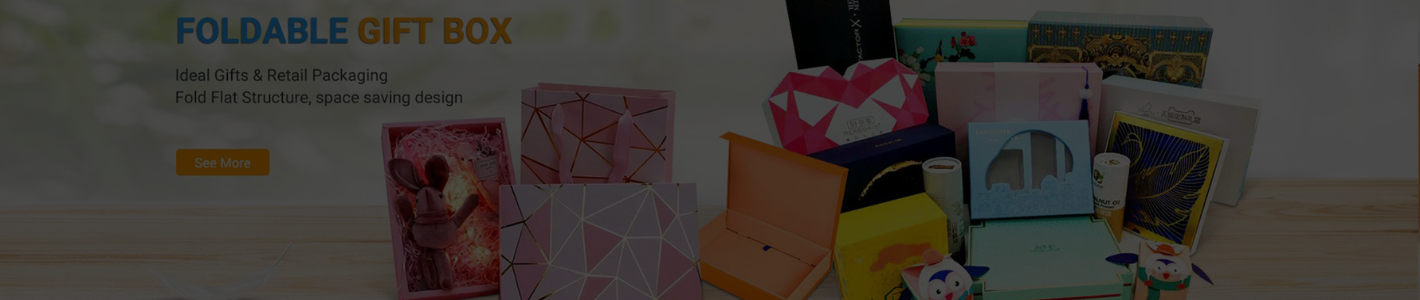

Global Packaging Trends 2026
In 2026, packaging is no longer just a protective layer for products. Instead, it has become a strategic tool that connects brands with consumers, communicates sustainability values, and enhances user experience. As global markets evolve and environmental expectations rise, packaging design, materials, and technology are undergoing a major transformation.
This article explores the most important global packaging trends for 2026, helping businesses understand where the industry is heading and how to stay competitive.

As global markets evolve and environmental expectations rise, packaging design, materials, and technology are undergoing a major transformation.
1. Sustainable Packaging Becomes the Industry Standard
From “green marketing” to real environmental impact
First and foremost, sustainability is no longer optional. In 2026, it is the baseline expectation.
More brands are shifting toward:
-
Bio-based and compostable materials such as PLA, mushroom packaging, and seaweed-based films
-
Recyclable and mono-material packaging that simplifies the recycling process
-
Lightweight packaging solutions that reduce material usage and lower transportation emissions
As a result, packaging is designed not only to look eco-friendly, but also to prove measurable environmental benefits throughout its life cycle.
2. Smart Packaging Connects Physical Products with Digital Experiences
At the same time, packaging is becoming smarter and more interactive.
Through technologies such as:
-
QR codes and NFC tags
-
RFID and traceability systems
-
Augmented Reality (AR) experiences
Consumers can easily access product information, verify authenticity, learn recycling instructions, or interact with brand storytelling. Consequently, packaging now acts as a direct communication channel between brands and users.
Moreover, smart packaging improves supply chain transparency and supports anti-counterfeiting efforts, especially in food, cosmetics, and pharmaceuticals.

Smart packaging improves supply chain transparency and supports anti-counterfeiting efforts, especially in food, cosmetics, and pharmaceuticals.
3. Minimalist Design with Strong Brand Identity
In terms of visual design, minimalism continues to dominate in 2026, but with a more intentional and expressive approach.
Key design characteristics include:
-
Clean layouts with strong typography
-
Limited but meaningful color palettes
-
High-quality paper-based packaging
-
Tactile finishes that enhance sensory experience
As a result, packaging becomes more premium, more shareable on social media, and more aligned with modern consumer aesthetics—especially among Gen Z and millennials.
4. AI-Driven Personalization and Custom Packaging
Another major shift is the rise of AI-powered packaging design and personalization.
Thanks to artificial intelligence, brands can now:
-
Create personalized packaging for different regions, seasons, or customer segments
-
Optimize design layouts faster and more efficiently
-
Produce limited editions without high costs
Therefore, mass personalization is no longer exclusive to global brands. Even small and medium-sized businesses can deliver customized packaging experiences at scale.

Even small and medium-sized businesses can deliver customized packaging experiences at scale.
5. Reusable and Refill Packaging Models Gain Momentum
In addition to recycling, reuse is becoming a core strategy.
Many brands are introducing:
-
Refill packaging systems
-
Return-and-reuse programs
-
Packaging designed for secondary use (storage, travel, household use)
As a result, packaging evolves from a single-use item into a long-term brand touchpoint, encouraging repeat purchases and customer loyalty.
6. Transparency, Regulations, and ESG Compliance
Finally, regulatory pressure is shaping packaging decisions worldwide.
In 2026, companies are expected to:
-
Comply with Extended Producer Responsibility (EPR) regulations
-
Disclose carbon footprint and environmental impact data
-
Clearly label materials and recycling instructions
Consequently, packaging must be transparent, traceable, and compliant, not only visually attractive.
Conclusion: Packaging as a Strategic Business Asset
In conclusion, packaging in 2026 is no longer just about protection or appearance. Instead, it plays a critical role in:
-
Brand positioning
-
Sustainability strategy
-
Digital engagement
-
Customer experience
Companies that succeed will be those that treat packaging as a strategic investment, not a cost. By embracing sustainability, smart technology, minimalist design, personalization, and transparency, brands can future-proof their packaging and stand out in a competitive global market.
Operating under the motto of “Pioneering Quality,” Hoang Vuong consistently aims for sustainable and environmentally friendly packaging solutions. We proudly hold the following certifications: FSC Certification, GMI Certification, G7 Certification, ISO 9001:2015
With over 15 years of experience in the paper packaging industry and a solid brand reputation, Hoang Vuong is a leading private paper packaging enterprise in Vietnam, partnering with numerous major brands locally and internationally. We accompany your company on the journey of innovation, seeking differentiation through continuous improvement. Your success is both an achievement and motivation for us to continue innovating and maintaining professionalism.
-
- Address: 10/6C Street 10, Binh Hung Hoa A Ward, Binh Tan District, Ho Chi Minh City
- Mobile: 0908.863.965 (Mr. Le Hong Son)
- Phone: 028.62696129 – 028.22481926
- FAX: 08.62696032
- E-mail: havupackage@gmail.com
- Website: www.baobigiay.vn – www.hopcungcaocap.vn
- Fanpage: Hoang Vuong Paper Packaging Company Limited.